
How to Find the Right Home Standby Generator for Your Huntsville Home
North Alabama is no stranger to severe weather. Thunderstorms roll through in spring and summer, tornadoes are a real threat, and ice storms in winter can knock out power for days. If you've sat through a multi-day outage in Huntsville, you already know what a home standby generator is worth.
But picking the right generator is where a lot of homeowners get stuck. Size, fuel type, transfer switches, installation — it's a lot to sort through. This guide cuts through the noise so you can make a confident decision.
Standby vs. Portable: What's the Difference?
Before sizing a generator, it helps to understand the two main types available to homeowners.
Portable generators are the units you buy at a hardware store, pull out after a storm, and run on gasoline in your driveway. They're affordable upfront, but they require manual setup, need constant refueling, and can't power your whole house safely. They also produce carbon monoxide, which means they must stay outside — away from windows and doors.
Home standby generators are permanently installed outside your home, connected to your natural gas or propane supply, and wired directly to your electrical panel through an automatic transfer switch. When the power goes out, the transfer switch detects the outage and the generator starts automatically — typically within 10-30 seconds. You don't have to do anything.
For Huntsville homeowners who want real protection, a standby generator is the right choice.
Step 1: Decide What You Want to Power
This is the most important question, and your answer drives everything else — including the size of generator you need.
Whole-home coverage means the generator powers everything in your house: HVAC, kitchen appliances, lights, outlets, well pumps, and any medical equipment. This requires a larger unit, but you live normally during an outage.
Essential circuits only means the generator powers your most critical systems — refrigerator, a few lights, your HVAC, and any medical devices. This requires a smaller unit and costs less, but you'll need to be mindful of what you run simultaneously.
Make a list of the appliances and systems that matter most to you. That list is your starting point for sizing.
Step 2: Calculate the Generator Size You Need
Generator capacity is measured in kilowatts (kW). Here's a rough guide to common home loads you'll want to account for:
- Central air conditioner (3-ton): 3,500-5,000 watts to start, 2,000-3,500 running
- Electric stove: 2,000-5,000 watts
- Refrigerator: 700-1,200 watts
- Well pump: 750-1,500 watts
- Lighting and outlets: 500-2,000 watts depending on home size
For a modest home running essential circuits, a 10-13 kW Generac unit is often sufficient. For a larger home or full whole-home coverage, you're looking at 20-22 kW or higher.
One important note: starting wattage — the surge when a motor kicks on — is higher than running wattage. Your generator needs to handle starting loads without tripping. An experienced installer like the team at Durham Service Company will do a proper load calculation to make sure your generator is sized correctly for your specific home.
Step 3: Choose Your Fuel Type
Generac home standby generators run on either natural gas or propane (LP).
Natural gas is convenient if your home already has a gas line. Supply is continuous, so you never worry about running out of fuel during a long outage. In Huntsville, where the Tennessee Valley area has solid natural gas infrastructure, this is often the preferred option.
Propane works well if you don't have natural gas service. You'll need a propane tank on your property — typically 250-500 gallons for a whole-home generator. Keep it topped off before storm season. A fully loaded 500-gallon tank gives you several days of runtime depending on load.
Durham Service Company handles propane and natural gas piping as part of our services, so we can connect your generator to whichever fuel source makes sense for your property.
Step 4: Understand the Installation Requirements
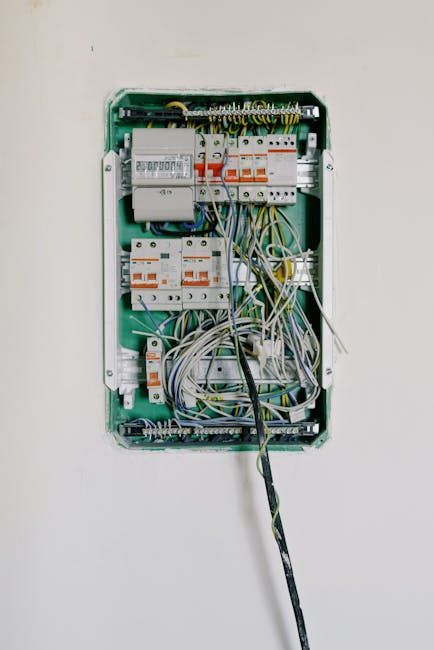
A home standby generator installation is not a DIY project. It involves electrical work to connect to your home's main panel and install an automatic transfer switch, gas or propane piping from your supply to the generator, a concrete pad the generator sits on, and permits required by most local jurisdictions in the Huntsville area.
Working with a Generac authorized dealer like Durham Service Company means you get technicians trained and certified on Generac equipment. We handle the permits, the pad, the piping, and the electrical connections. Installing with an authorized dealer also protects your Generac warranty — DIY installation or work by an uncertified contractor voids manufacturer coverage.
Why Generac?
Generac is the number one selling brand of home standby generators in the United States. Their residential line covers outputs from 10 kW all the way up to 150 kW for large homes and light commercial applications.
Generac systems include Mobile Link remote monitoring so you can check your generator's status from your smartphone whether you're home or away. True Power Technology delivers clean power that's safe for sensitive electronics. Weekly self-tests run automatically so the generator stays ready. And Generac's wide dealer and service network means parts and support are accessible when you need them.
Durham Service Company is a Generac authorized dealer in North Alabama. We install, service, and repair Generac generators — and we stock the parts to back up what we sell.
What Does a Home Standby Generator Cost?
Installation costs vary based on generator size, fuel type, distance from the electrical panel, and site conditions. As a general range, a 10-13 kW system installed typically runs $4,500-$7,000, while a 20-22 kW system runs $7,000-$12,000. Larger systems increase from there.
These are estimates. Your actual cost depends on your specific home, existing infrastructure, and the scope of the installation. Many homeowners find that the cost of a standby generator compares favorably to the cost of a single major outage — lost food, hotel stays, and in extreme cases, burst pipes or other damage from a home that lost heat in winter.
Ready to Get Started?
If you're thinking about a home standby generator, the next step is a site assessment. Durham Service Company will evaluate your home's electrical load, discuss your fuel options, and give you a firm quote with no guesswork.
We've served North Alabama homeowners and businesses for years. When it comes to generator installation, we do the job right — from the permit to the final inspection. Contact us today to request a quote.
When you think dependable, think Durham.
Durham Service Company, Inc.
Durham Service Company, Inc. proudly provides reliable HVAC, plumbing, electrical, and home comfort solutions with 34 years of family-owned experience and quality service across Alabama.
Search an article
SHARE US ON SOCIAL MEDIA:
OUR SERVICES
We’re Ready to Assist!
Recent Post
Let's Connect
Schedule Your Home Service Today
From HVAC repairs to plumbing and electrical services, our team provides reliable solutions that ensure your home stays comfortable and efficient year-round.
